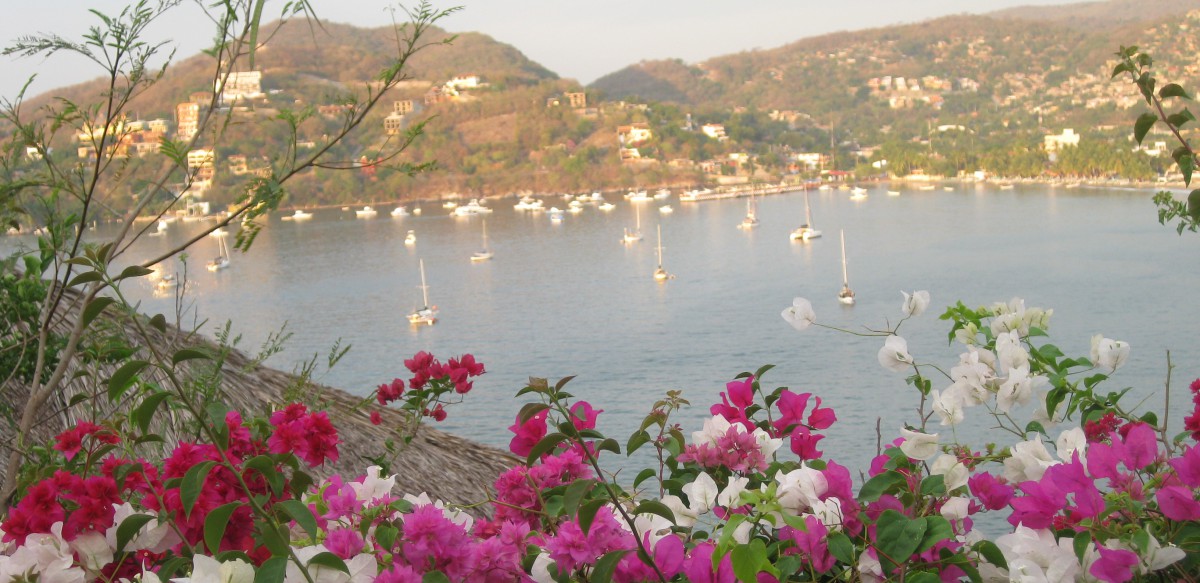
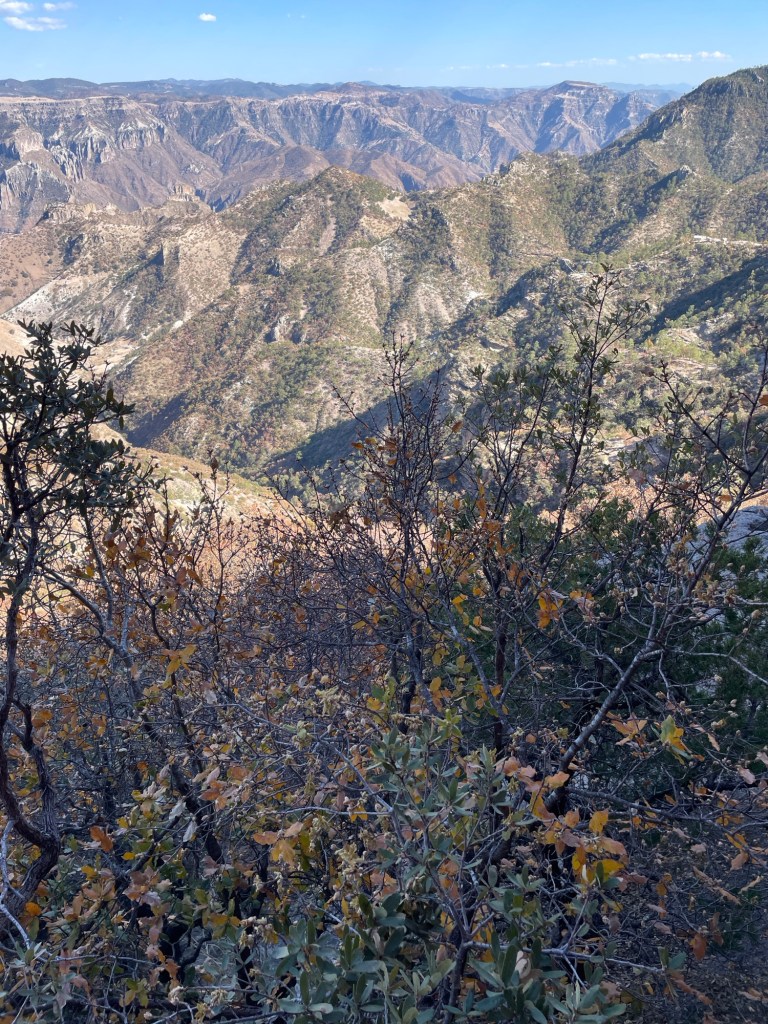
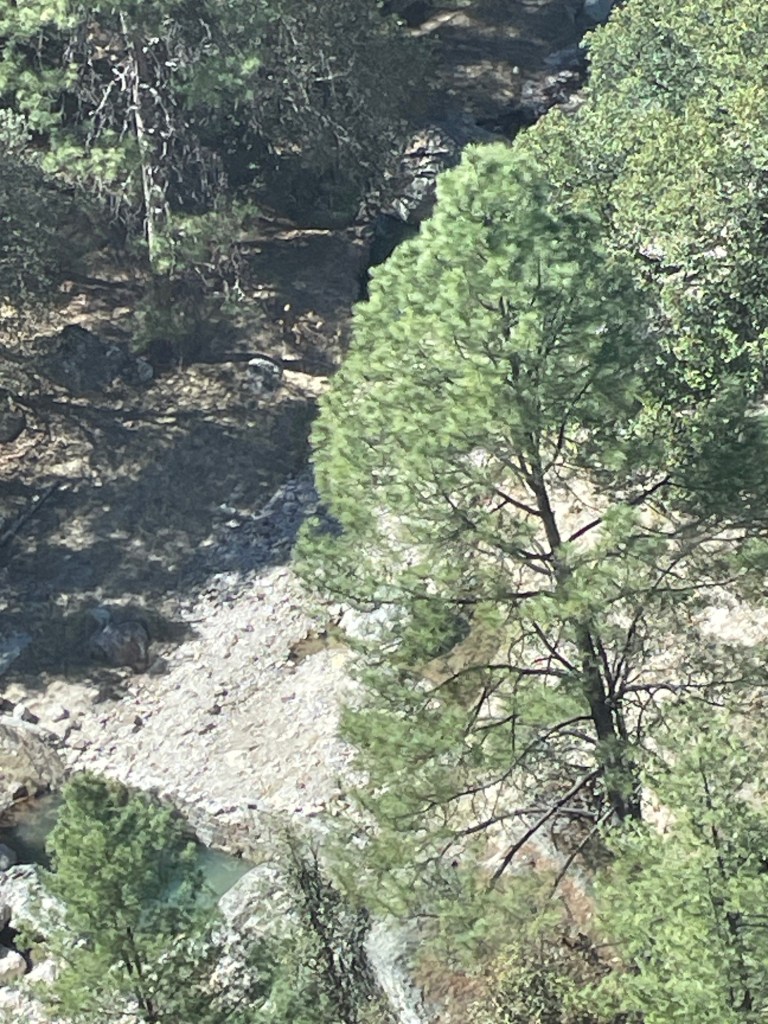
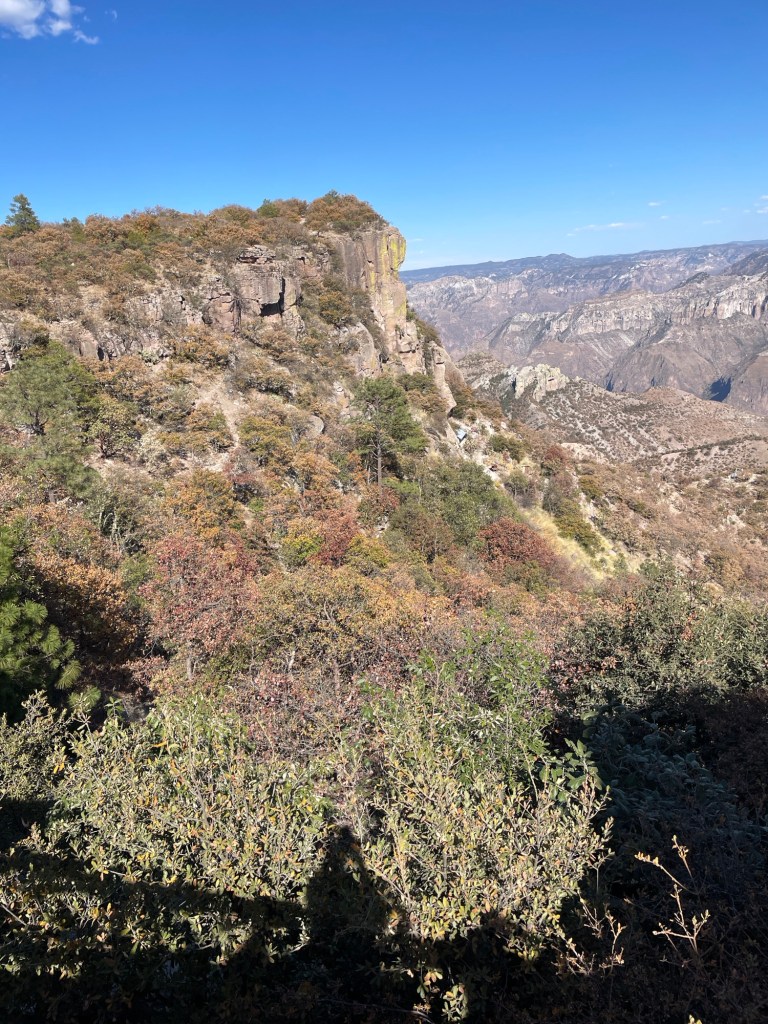
As we arrived at this lovely, very elegant, upscale lodge style hotel where we were awed by the deep set canyon, the exceedingly blue skies, and stunning views every where you turned. It was still quite arid and the Apache Pine trees with their long needles, while a bit stunted for pine trees, were a welcome site for this tree lover.
We partook of an early evening wine tasting and of course found several to our liking. They will be shipping us copious quantities of excellent wine to our hosts in Zihuatanejo where we will retrieve them. We are all anxiously awaiting.
The dinning room was lovely with full windows showing the view and an outside deck for relaxing and our rooms also had balconies. As we we’re traveling with just a carry on bag and I have always liked to dress up a bit for dinners I had carefully planned to bring just one long black dress with several accessories to change it up so you don’t feel like you are wearing the same thing every night. But the one accessory I forgot to include was a pair of sandals or any other suitable shoes for my feet. All I had was my bright red tennis shoes. So I swallowed my pride and went to dinner in my black dress with a sparkly overlay and red tennies.

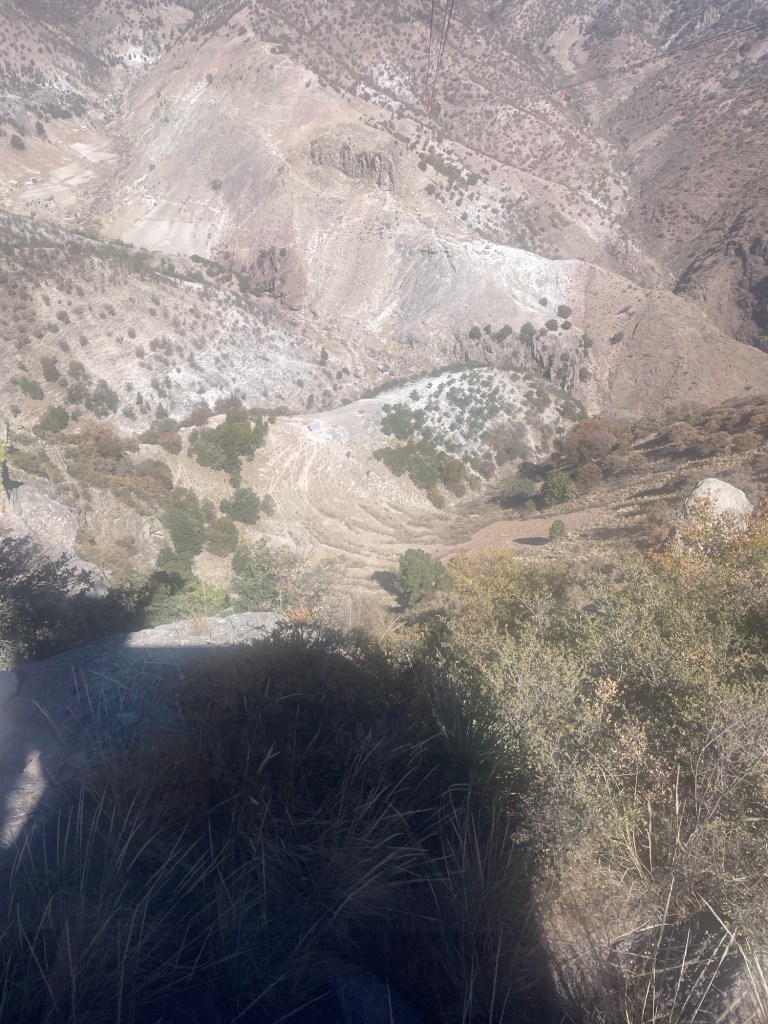
We had all opted for a cable car ride across the canyon over a zip line experience. As we rode across we could see far, far below small farm plots and a few houses and out buildings of the Raramuri people. Very sparsely populated the only way in or out of this canyon is on foot. Where the cable car landed we again were treated to native dancing and viewed the many objects for sale. Mostly hand woven baskets of all shapes and sizes, jewelry, and hand stitched clothing with voluminous skirts with intricate designs all had sewn on by hand. Farming produces beans and corn, the staple of their diet plus some fish and game.
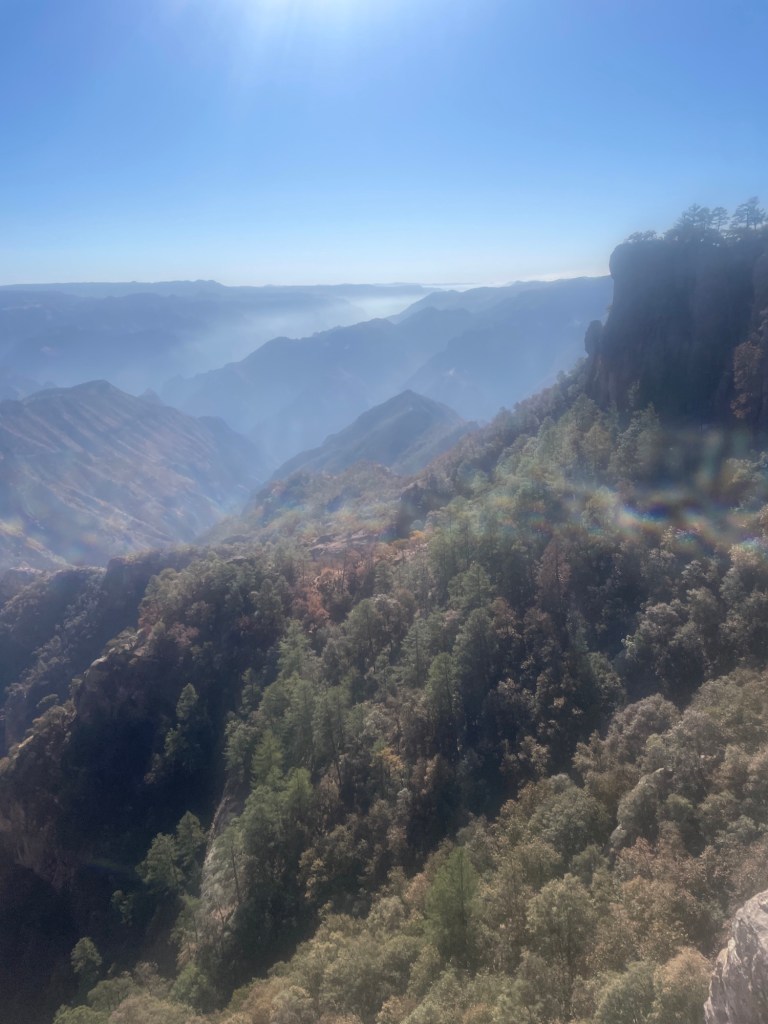

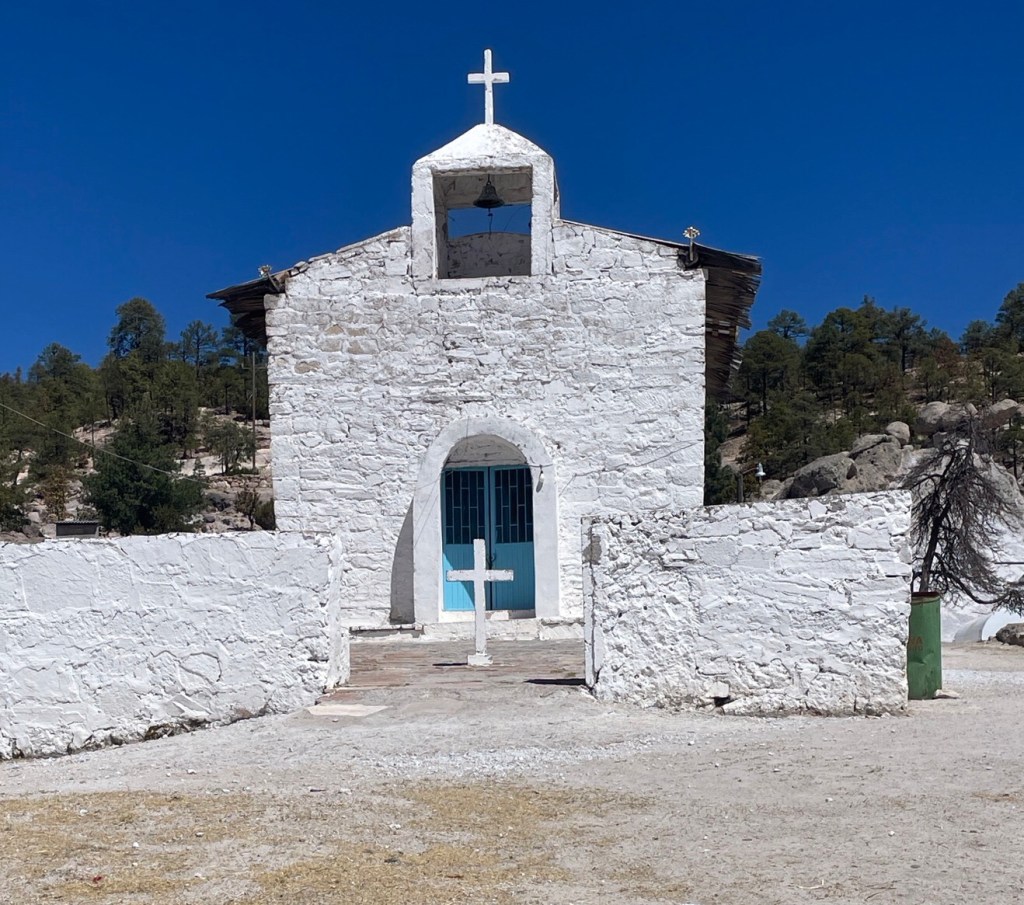
That afternoon we took a very long drive to the bottom of one of the canyons to visit a Raramuri Village San Louis Majimachi and to see a mission from the 1700’s. Construction may seem crude, but is still standing and being used with a combination of native religion and Catholicism mixed together. This village has a government sanctioned school where most of the students board in each week as it is too far from their sparse. canyon homes for daily travel. They receive standard Mexican Government sanctioned schooling along with their own cultural traditions.
They also have a clinic/hospital staffed by a doctor that has been assigned to live and work there for a one year term of duty. (Sounds like a good plot for a TV show)
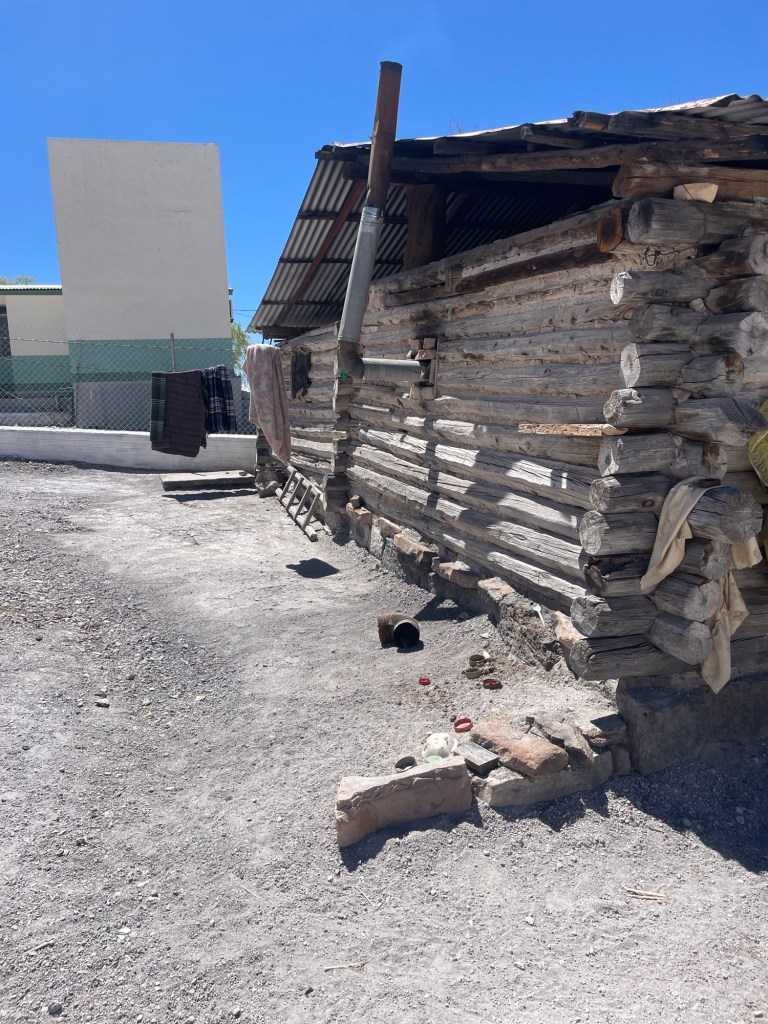
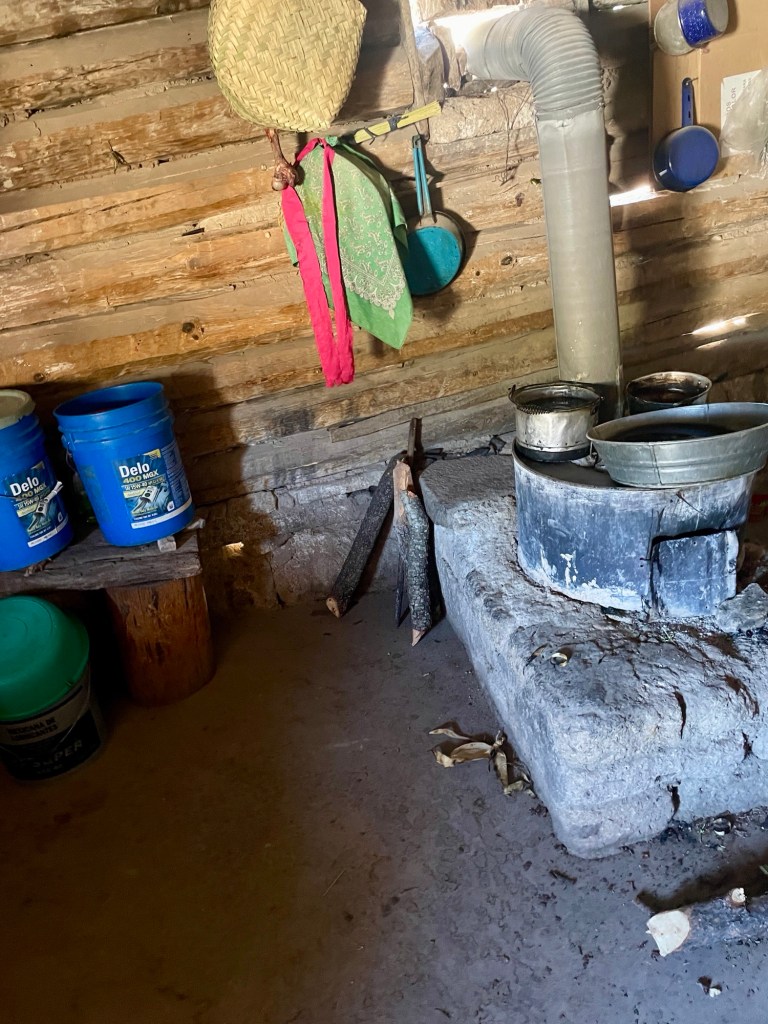
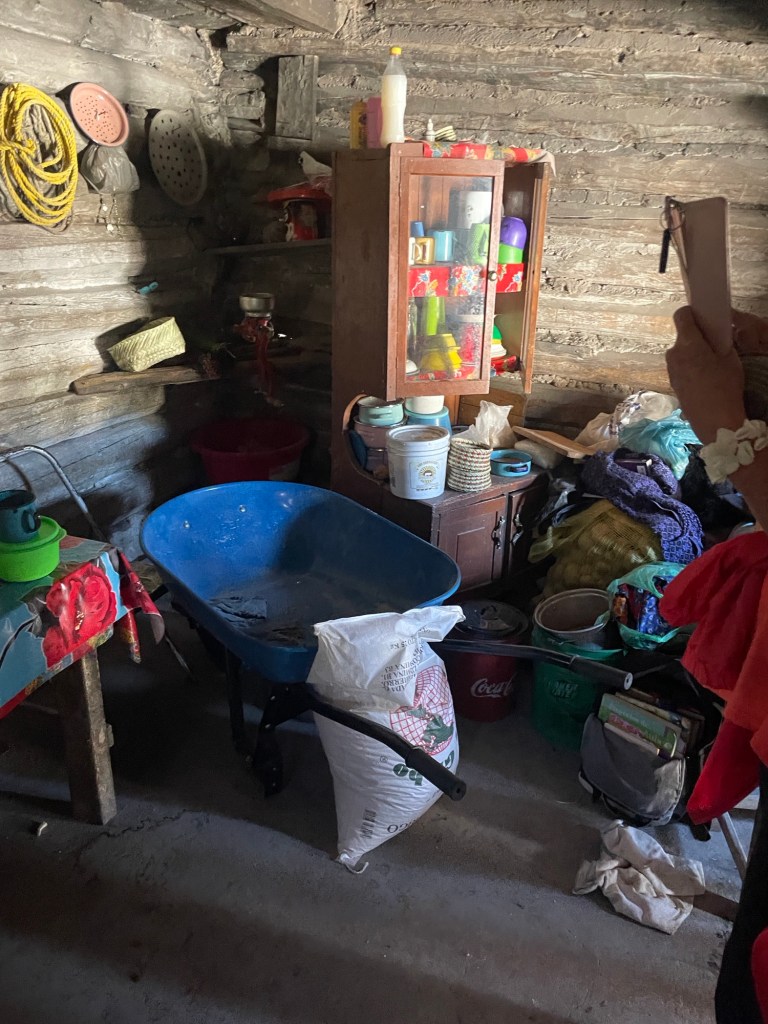
We were invited to visit one of their homes, it was very rustic, crudely built but houses the families belongings. It consisted of two rooms one a living, kitchen area and the other a bedroom. Chicken coops were built above ground to keep coyotes away.

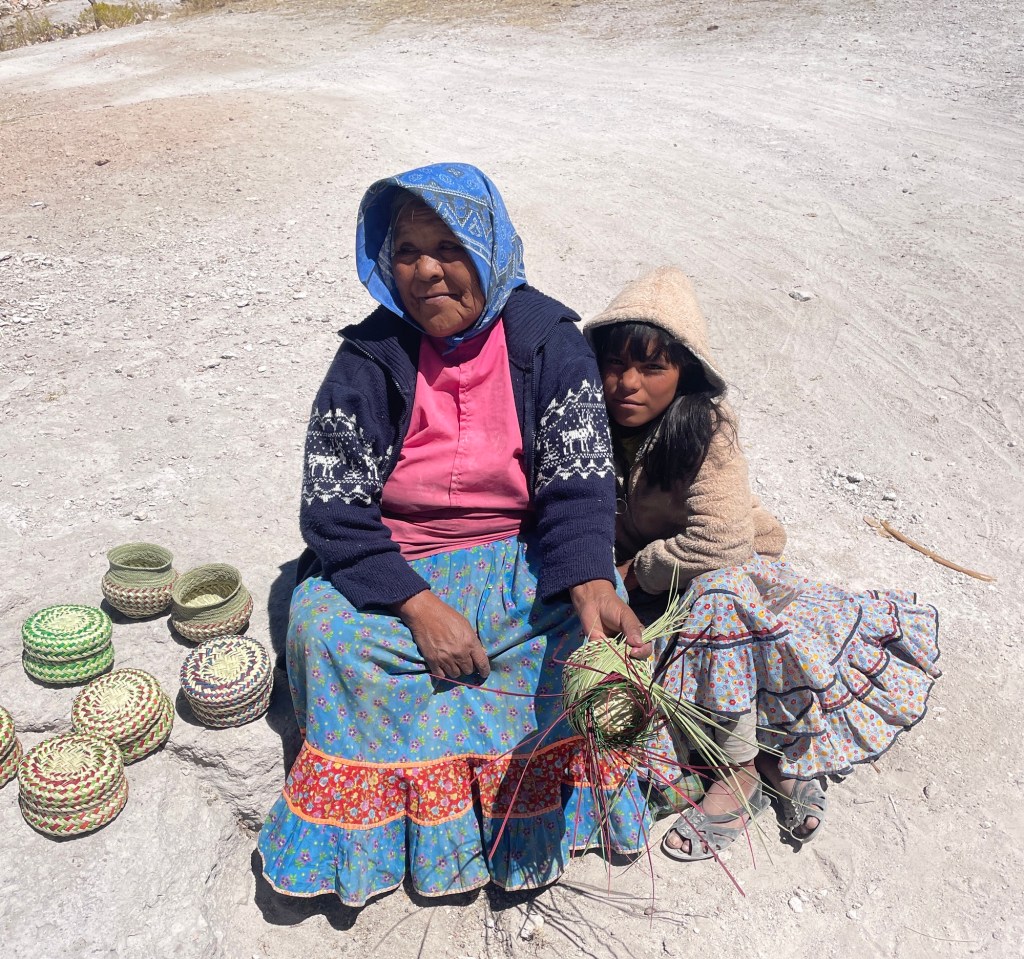

There is a barter system where they can exchange the baskets and other crafts they make for government vouches that subsidize their needs. Beans and corn being the staple of their diet.
More to come, signing off KO

 Zihuatanejo
I really enjoy your travel blogs!
LikeLiked by 1 person